

Chintz: The Fabric That Conquered the World
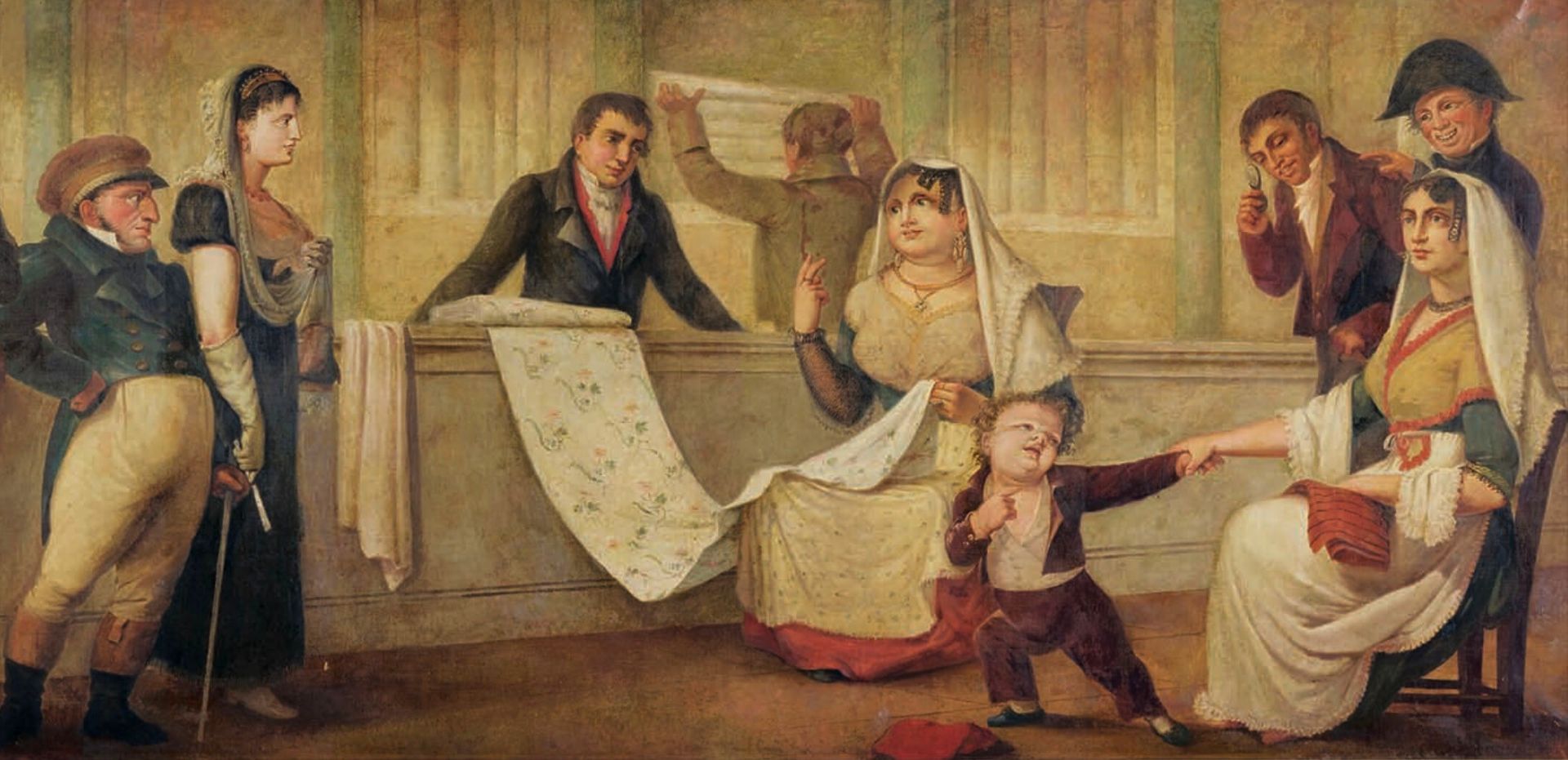
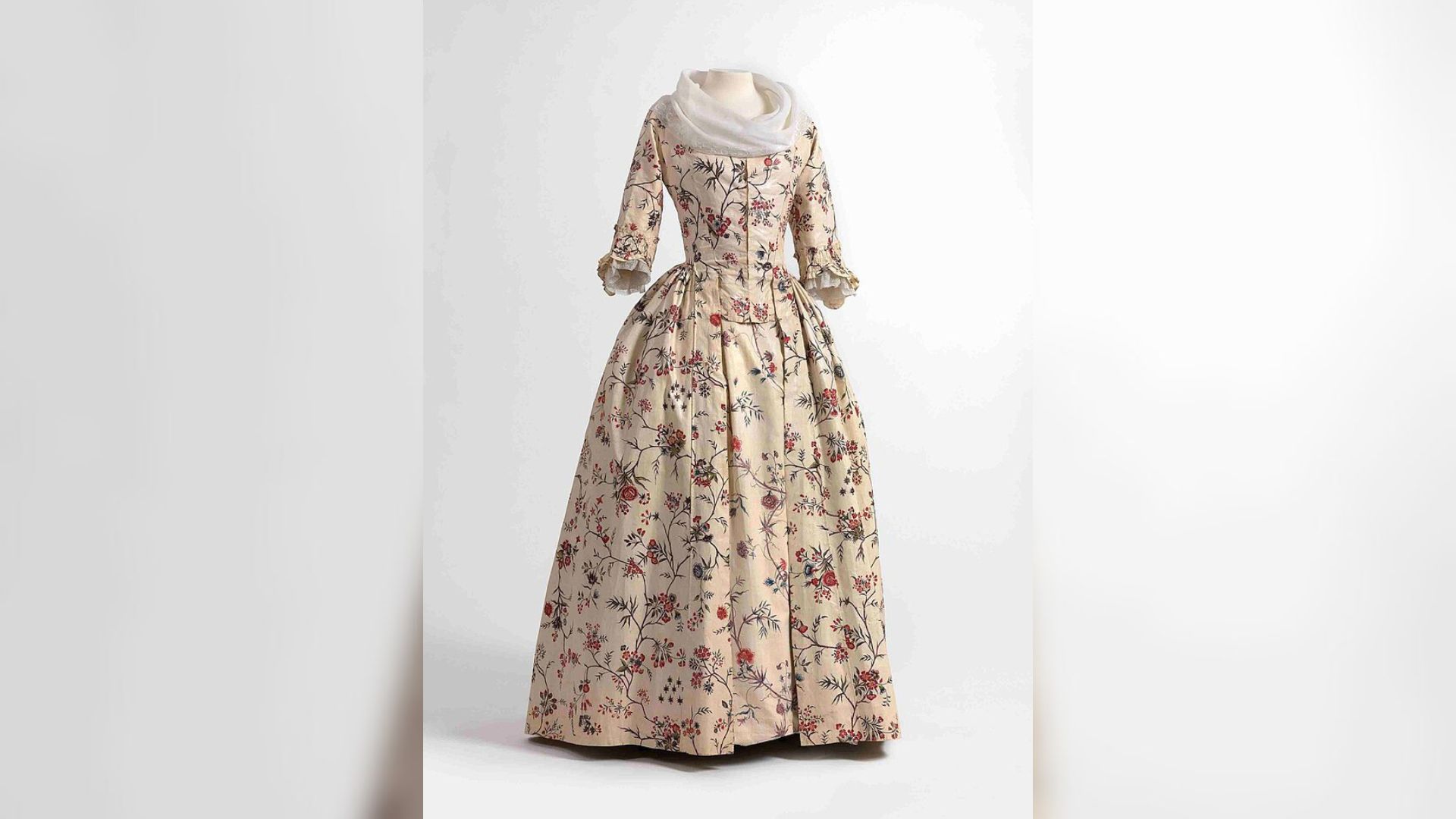
In the 17th century, an unusual fabric from India began making waves across Europe. It was unlike anything seen before—light, breathable, and strikingly vibrant, adorned with delicate floral motifs in shades of red, blue, and gold. It draped the grand bedrooms of English queens, wrapped the shoulders of aristocrats, and even found its way into the fashion-conscious streets of Paris.
This fabric was chintz, a hand-painted and block-printed cotton textile from India, and its rise to fame would change the course of global trade and even threaten European economies. But as the chintz became a global sensation, it also became a victim of its own success. Banned and eventually replicated by European factory-made textiles, the story of chintz is a tale of beauty, innovation, and survival.

A fine piece of Indian Artistry
The origins of chintz stretch deep into India’s textile traditions, where artisans had perfected the art of cotton dyeing and printing for over 4,000 years. Long before the world knew of “fast fashion,” Indian textile makers had developed sophisticated techniques to create patterns that didn’t fade over time.
At the heart of this process was the kalam, a bamboo pen that artisans used to apply natural mordants—alum for reds, iron for blacks—before dipping the fabric into rich dye baths made from plants like indigo and chay root. Using wax to protect certain areas from dye absorption, they could create intricate multicolored designs, a feat European weavers couldn’t replicate. Each piece of chintz could take weeks or even months to complete, with up to ten craftsmen working on a single yard of fabric.
But chintz wasn’t just beautiful; it was durable, washable, and astonishingly vibrant. It became a prized commodity in the trade routes of the Indian Ocean, where Arab and Persian merchants carried it to the Middle East, Indonesia, and beyond. By the 16th century, chintz was more valuable than gold, used as a currency in spice trade deals across Southeast Asia.
Then the Europeans arrived.
When the West Fell in Love with Chintz
In 1498, when Portuguese explorer Vasco da Gama first set foot in Calicut, he unknowingly opened the floodgates for Indian textiles to flood Europe. The Portuguese, followed by the Dutch, French, and English, eagerly bought Indian chintz in bulk. It was unlike anything available in European markets—lighter and softer than wool, more colorful than silk, and more affordable than both.
By the 17th century, chintz had become an essential part of European high society. Aristocratic women wore chintz gowns adorned with delicate vines and blossoms. Royalty lined their bedrooms with chintz draperies. Even Queen Mary of England had her private chambers decorated with the fabric.
Demand soared. By 1680, England alone was importing over one million pieces of chintz per year, while France and the Dutch Republic followed close behind. The directors of the East India Company quickly realized that this was no passing trend—chintz was a global fashion phenomenon.
To make it even more appealing, the East India Company customized designs for European tastes, sending patterns to Indian artisans that incorporated English embroidery styles, Islamic floral arrangements, and even Chinese ceramic motifs. The result was a textile that felt exotic yet familiar, fitting perfectly into the evolving aesthetics of Europe.
But not everyone was pleased with the success of chintz.
The Fabric That Threatened Europe
For all its beauty, chintz posed a serious problem for European textile manufacturers. Wool and silk industries across England and France were suffering massive losses as consumers abandoned heavy, expensive fabrics for India’s light, colorful cotton. Local weavers and dyers were furious—how could they compete with a fabric so superior in quality and affordability?
In response, governments declared war on chintz. France banned its import in 1686, and England followed with the infamous Calico Acts of 1701 and 1720, which made it illegal to wear or sell chintz in Britain. Smugglers risked imprisonment and even execution to meet the insatiable demand. In some cities, women caught wearing chintz were forced to pay heavy fines or even had their garments confiscated in public.
How Europe replicated Chintz
For over a century, European manufacturers struggled to replicate Indian chintz. They had neither the technical knowledge nor the mastery of dyes to produce textiles that could rival India’s. But this changed in 1742. Father Coeurdoux, a French missionary, stationed in Pondicherry, documented every step of their dyeing and mordanting techniques, which was then published in an article in France. Armed with this knowledge, European textile mills rushed to develop synthetic dyes and mechanized printing processes.
By 1759, France lifted its ban on chintz—not because of Indian imports, but because Europe had figured out how to make its own. England, too, embraced industrialized cotton production, making cheap chintz-like fabrics in massive quantities.
The Industrial Revolution killed India’s textile trade. British policies forced Indian weavers to abandon handloom weaving and instead produce raw cotton for British factories. By the early 19th century, Indian chintz had almost disappeared.

The Revival of Chintz
For nearly a century, Indian chintz lay forgotten, its legacy buried beneath the rise of mass-produced European textiles. But the story wasn’t over.
After India gained independence in 1947, efforts to revive traditional crafts gained momentum. Hand-block printing techniques, particularly in Gujarat and Rajasthan, saw a resurgence. Heritage textile brands and government programs worked to reconnect artisans with their ancestral skills, bringing authentic chintz back into the market.
Today, chintz is experiencing a global revival. International designers, luxury brands, and museums are once again celebrating the intricate beauty of Indian textiles. Original chintz-making techniques, once on the verge of extinction, are now being preserved by dedicated artisans who refuse to let this ancient craft disappear.
Today, as consumers move away from fast fashion and return to appreciating handmade textiles, chintz is making its way back into wardrobes and interiors across the world. It is a testament to India’s extraordinary textile legacy, proving that true artistry never fades.
Check out the new Chintz collection from Peepul Tree here

Your source for unique home decor and furnishings that blend modern design with traditional Indian craftsmanship. Responsibly sourced from over 11,000 artisans, our products reflect authenticity, sustainability, and fine craftsmanship. Discover the beauty of India with Peepul Tree.


