

The Magic of Chintz through Ages – A Visual Journey
Chintz, the vibrant hand-painted and block-printed cotton fabric from India, captivated the world from the 17th century onward. From the courts of Europe to the bustling trade routes of Asia, this exquisite textile became a symbol of luxury and craftsmanship. Intricately designed with floral motifs, exotic birds, and vivid colors, chintz evolved into a global phenomenon—adorning aristocratic garments, grand interiors, and treasured heirlooms across continents.
This photo essay takes you through the fascinating journey of chintz, featuring five rare historical pieces from museum collections worldwide. Each piece tells a unique story of artistry, trade, and cultural exchange, showcasing how Indian chintz left an indelible mark on global fashion and design.

A Fragment of History
This 18th-century chintz fragment, featuring delicate tulips and insects, was originally produced on India’s Coromandel Coast before making its way to Japan. A testament to India’s thriving textile trade, chintz like this was highly prized across Asia and Europe for its intricate hand-painted and mordant-dyed designs. (Karun Thakar Collection)

Fashion Fit for an Aristocrat
This chintz jacket, paired with a wool damask skirt, showcases the height of European fashion in the late 18th century. Imported Indian chintz was so sought after that European dressmakers incorporated it into elite wardrobes, despite strict bans on its trade. (Jacoba de Jonge Collection, MoMu - Fashion Museum Province of Antwerp)

The Chintz Gown Revolution
This elegant robe à l'anglaise, a fitted gown style from the late 18th century, was crafted from Indian chintz. European women embraced these vibrant floral-printed cottons, transforming chintz from a luxury furnishing fabric into a staple of aristocratic fashion. (Jacoba de Jonge Collection, MoMu - Fashion Museum Province of Antwerp)

The Artistry of Palampores
This chintz panel, shaped from a larger palampore (bed cover or wall hanging), highlights India’s masterful textile artisanship. The red and white background, framed by green and white braid, reflects the meticulous skill of Indian dyers and printers. Such pieces adorned the homes of European nobility and merchants. (Cooper Hewitt, Smithsonian Design Museum)

A Blooming Masterpiece
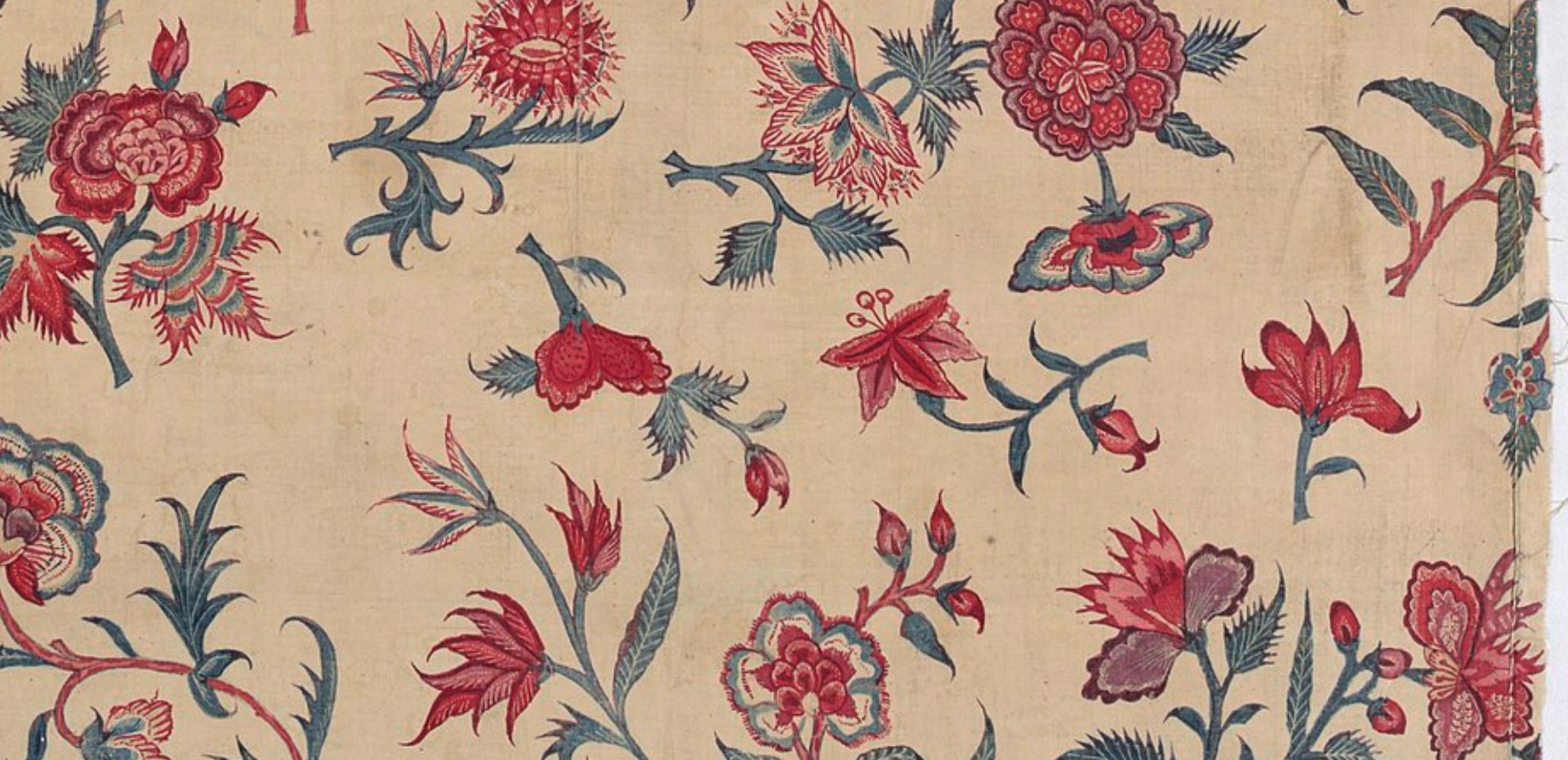
This chintz fragment, with its striking blue border and exotic floral motifs, represents the enduring beauty of Indian textile traditions. Carefully crafted using natural dyes and intricate resist techniques, fabrics like these once adorned the interiors of palaces and grand estates across the world. (Cooper Hewitt, Smithsonian Design Museum)
Check out the new Chintz collection from Peepul Tree here

Your source for unique home decor and furnishings that blend modern design with traditional Indian craftsmanship. Responsibly sourced from over 11,000 artisans, our products reflect authenticity, sustainability, and fine craftsmanship. Discover the beauty of India with Peepul Tree.


