

The Living Legacy of Kashmiri Carpets
The Living Legacy of Kashmiri Carpets
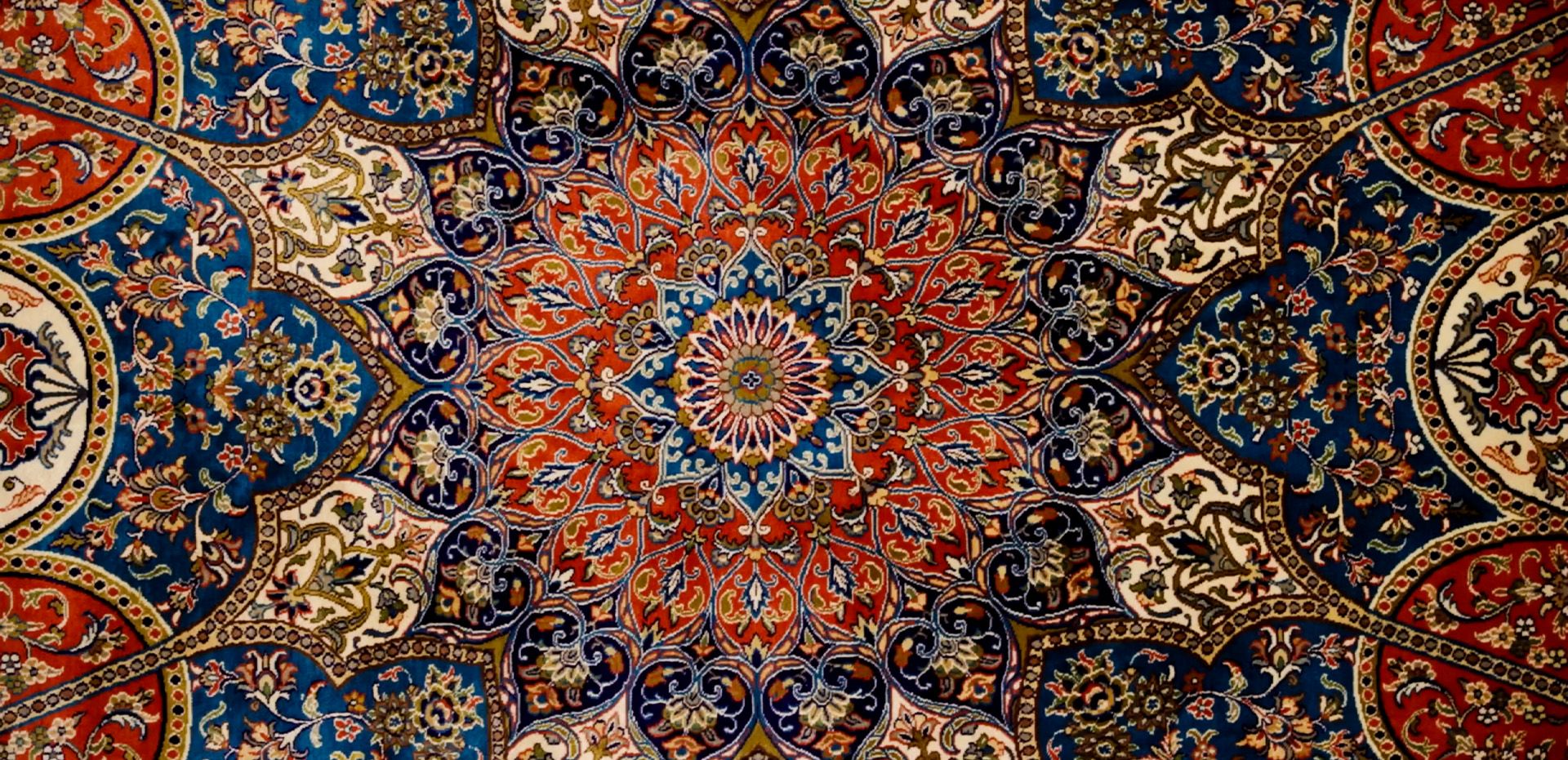
Step into a quiet room in Kashmir, and the first thing you might notice is the hush of wool beneath your feet. Not just any wool—knotted by hand, dyed in jewel tones, and woven into a garden that never fades. For centuries, Kashmiri carpets have carried with them the fragrance of pines, the romance of Persian gardens, and the craftsmanship of generations. Each knot is a whisper from the past, tied with patience, purpose, and prayer.
Once laid in royal courts and now spread across the world, these carpets are more than floor coverings. They are poetry, mapped in silk and wool.
A Tale Woven Through Centuries

The story begins in the 15th century, during the enlightened reign of Sultan Zain-ul-Abidin (1395-1470), fondly remembered as Budshah—'the great king'. Known for ushering in a cultural renaissance in the Kashmir Valley, he invited artisans to teach their craft to local weavers. What began as royal patronage soon became a sacred skill, passed down through families like a treasured heirloom.
By the time the Mughals swept into Kashmir in the 16th century, this art form had already taken root. Under Emperor Akbar and his successors, Kashmiri carpets found their way into imperial courts of Agra and Delhi, their soft brilliance rivalling the famed gardens of Shalimar. In this cold, high-altitude valley, a warm, intricate tradition had begun to flourish.
How a Carpet Comes to Life

The process begins with choosing the yarn—pure wool, silk, or a blend of both. These are dyed in natural hues: pomegranate peel for gold, indigo for blue, madder root for crimson. Even today, many artisans prefer these ancient plant-based dyes for the depth and richness they lend.
Next comes the loom, usually set up in a weaver’s home. A graph paper—called a talim—is used to record the exact placement of each color, knot by knot, like a musical score for the hand. The weaver chants the talim aloud or memorizes it, knotting thread over thread until an entire forest blooms under their fingers. A single carpet can take months, even years to complete, depending on its size and complexity.
Chinars, Gardens, and Geometry

Kashmiri carpets speak in symbols. The most iconic of these is the chinar leaf, the flame-like foliage found across the valley, especially in autumn when the trees blaze with gold and russet. Then there's the Tree of Life, a sacred symbol found in cultures from Persia to India, representing harmony between heaven and earth.
You’ll also see Mughal-inspired medallions, pomegranate borders, and garden layouts reminiscent of charbagh—four-part paradise gardens described in Islamic texts. These motifs aren’t random. Each carries meaning —of fertility, balance, abundance, or eternity. Together, they form a vocabulary through which generations of weavers have expressed faith, beauty, and belonging.
A Tradition That Refuses to Fade

After independence in 1947, the Indian government initiatives helped revive traditional weaving clusters. Weavers returned to their looms, for collectors, tourists, and connoisseurs around the world.
Despite the political turbulence of the region, the Kashmiri carpet industry continues to hold its ground—quite literally. Local artisans, many of whom learned the craft from their parents and grandparents, are still at their looms. In the alleys of Srinagar and the villages of Budgam, you’ll find families working on looms passed down through generations.
Government programs such as ODOP (One District One Product) now support artisan cooperatives. Also, a global movement towards slow fashion and sustainable luxury is bringing renewed respect for these handmade treasures.
Today, Kashmiri carpets can be found in museums in London, homes in Paris, and art galleries in Tokyo. They’re prized for their knot density, natural dyes, and timeless elegance. The label ‘Kashmir Silk’ carries with it a quiet assurance of authenticity—of something handmade, heart-led, and heritage-rich.
From royal gifts to modern heirlooms, these carpets have travelled far, carrying Kashmir’s story knotted into every fibre.

Your source for unique home decor and furnishings that blend modern design with traditional Indian craftsmanship. Responsibly sourced from over 11,000 artisans, our products reflect authenticity, sustainability, and fine craftsmanship. Discover the beauty of India with Peepul Tree.


